
Drainage Issues: What to Do When Your Washing Machine Won’t Spin or Drain
A washing machine is one of the most essential appliances in any home. When it stops spinning or fails to drain properly, it can quickly disrupt your daily routine. While the issue may seem complicated, many drainage problems have clear causes and more importantly, practical solutions.
Understanding, why your washing machine isn’t draining or spinning? It is the first step towards fixing the problem and preventing further damage with Washer Maintenance.
Why Drainage Problems Affect the Spin Cycle
In most washing machines, the spin cycle only begins after the water has been drained. If water remains inside the drum, the machine will automatically stop spinning to prevent damage. This means a drainage issue is often the root cause behind both problems; no draining and no spinning.
Early Warning Signs You Shouldn’t Ignore
Before a complete breakdown, your washing machine often gives subtle signals that something is wrong. You may notice that clothes come out wetter than usual, or the machine takes longer to finish cycles.
Unusual noises, water pooling inside the drum, or a musty smells are also indicators that the drainage system may not be working properly. Addressing these signs early can save you from more expensive repairs later.
Common Causes of Drainage Issues
Several factors can prevent your washing machine from draining efficiently. One of the most common reasons is a clogged drain hose or filter. Over time, lint, detergent residue, and small objects like coins can block the flow of water.
A kinked or improperly installed hose can also restrict drainage. In some cases, the issue may be related to a faulty drain pump that is unable to push water out of the machine.
Drain Pump Problems and What They Mean
The drain pump plays a critical role in removing water from the machine. If it becomes blocked, smells or damaged, the entire drainage process can fail.
Sometimes, cleaning the pump can resolve the issue. However, if the pump is worn out or making unusual noises, it may need to be replaced. Identifying the difference between a blockage and a mechanical failure is important for choosing the right solution.
Other Hidden Causes You Might Overlook
Drainage issues are not always caused by clogs. In some cases, the problem may lie in the machine’s safety mechanisms. A faulty lid switch or door lock can prevent the spin cycle from starting, even if the drainage system is working.
Similarly, an imbalanced load can stop the machine from spinning properly. When clothes are unevenly distributed, the machine may pause the cycle to avoid internal damage.
There can also be issues with the water level sensor or pressure switch, which affects how the machine detects and drains water.
Basic Troubleshooting Steps You Can Try
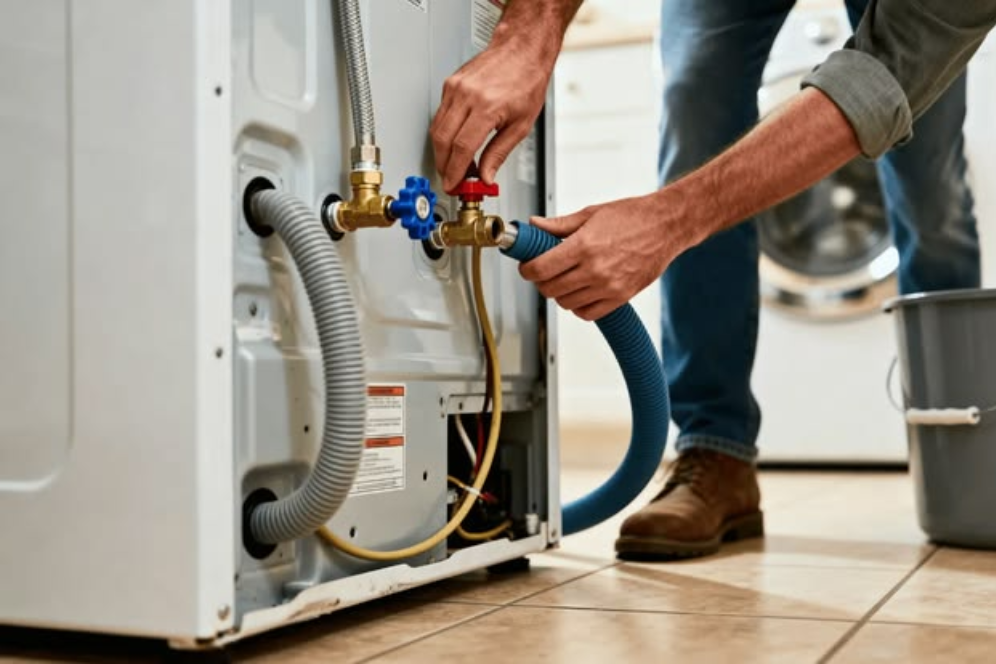
Before calling a professional, there are a few simple checks you can perform. Start by inspecting the drain hose for any visible blockages or bends. Cleaning the lint filter can also improve water flow.
Resetting the washing machine may help resolve minor technical glitches. However, these steps are only effective for surface-level issues. If the problem persists, deeper inspection is required.
When DIY Fixes Are Not Enough
While basic troubleshooting can be helpful, some problems require professional expertise. If your machine continues to hold water, makes loud noises, or stops mid-cycle, it’s best to avoid further use.
Ignoring these issues can lead to more serious damage, including motor failure or electrical problems, which can significantly increase the overall repair cost. At this stage, professional repair becomes the safest and most cost-effective option.
Preventive Maintenance Tips
Preventing drainage issues is just as important as fixing them. Regularly cleaning the filter and checking the drain hose can keep your machine running smoothly.
Avoid overloading the machine, and always check pockets for small objects before washing. Using the right amount of detergent also helps prevent buildup inside the system. These simple habits can significantly extend the life of your washing machine.
How A Absolute Appliance Repair Is the Right Solution
When it comes to reliable and efficient appliance repair, A Absolute Appliance Repair offers expert solutions tailored to your needs.
Their team specializes in diagnosing and fixing washing machine drainage issues quickly and accurately. Whether it’s a clogged hose, a faulty pump, or a more complex internal problem, they ensure your appliance is restored to optimal performance.
With professional service, timely repairs, and a focus on long-term reliability, they help homeowners avoid recurring issues and unnecessary expenses.
Conclusion
Drainage problems in washing machines are common, but they don’t have to become major issues. By understanding the causes and taking timely action, you can keep your appliance functioning efficiently.
When the problem goes beyond basic fixes, professional support ensures a safe and lasting solution. Investing in proper maintenance and expert repair services not only saves money but also adds convenience to your daily life.
If your washing machine isn’t draining or spinning properly, don’t wait for the problem to get worse. Get it inspected and repaired by trusted professionals A Absolute Appliance Repair can restore its performance quickly and efficiently : https://aabsoluteappliancerepairs.com/contact-appliance-repair/
Frequently Asked Questions (FAQs)
1. Why is my washing machine not draining water?
Ans : It could be due to a clogged drain hose, blocked filter, or a faulty drain pump.
2. Can a washing machine spin if it doesn’t drain?
Ans : No, most machines will not spin until all the water is drained.
3. Is it safe to fix drainage issues myself?
Ans : Basic cleaning is safe, but complex issues should be handled by professionals.
4. How often should I clean my washing machine filter?
Ans : It is recommended to clean it every few weeks to prevent buildup.
5. When should I call a repair service?
Ans : If the problem persists after basic troubleshooting or involves unusual noises or leaks, professional help is recommended.