
Gas vs. Electric vs. Induction Ranges: Which One Is Right for Your Kitchen?
If you’re choosing between a gas, electric, or induction range, the short answer is: gas gives you the most precise flame control and works during power outages, electric is the most affordable upfront and easiest to install, and induction heats fastest and is safest for households with kids but it costs more and requires magnetic cookware. The right choice usually comes down to your cooking style, kitchen setup (gas line vs. electric-only), and budget, not which one is objectively “best.”
Below, we break down how each type performs in real kitchens, what our technicians see go wrong with each over the years, and how to decide which fits your household.
How Gas, Electric, and Induction Ranges Actually Compare
Over years of servicing all three range types, one thing stands out: each one fails and performs differently, and that difference matters as much as the sticker price. Gas ranges tend to have fewer electronic components to fail but more mechanical parts (igniters, burner valves) that wear out with heavy use. Electric coil and radiant ranges are simple and reliable but slower to heat and cool. Induction ranges are the most efficient and precise, but they’re also the most electronics-dependent, which means repairs when needed tend to involve the control board rather than a simple part swap.
Gas Ranges
How They Perform
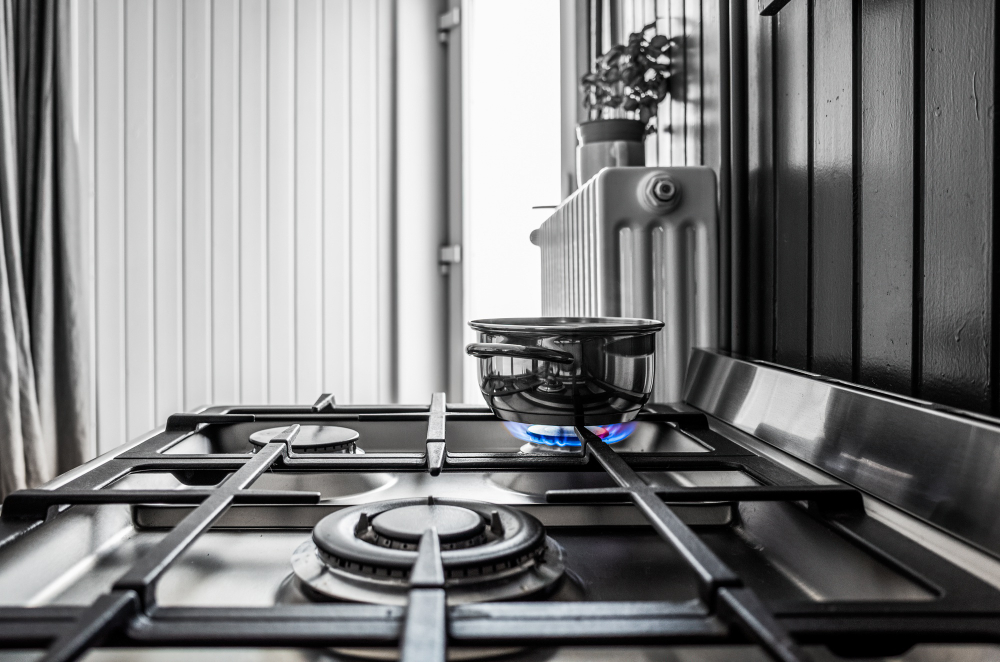
Gas ranges heat up and cool down instantly, giving you direct visual feedback on flame size which is why most professional and serious home cooks prefer them. You get precise control for searing, simmering, and quick temperature adjustments.
Pros
Instant heat control, visible flame level
Works during power outages (if it has a manual ignition option)
Often preferred for wok cooking and high-heat searing
Typically lower ongoing energy cost in areas with cheaper natural gas
Cons
Requires an existing gas line costly to install if you don’t have one
Runs on a standard 120V outlet for the igniter/electronics, but the gas line itself is the real installation cost if you don’t already have one
Open flame produces more indoor air pollutants than electric or induction
Grates and burner caps require more frequent cleaning
Igniters are a common wear part that eventually needs replacement
Common Issues We See
The most frequent service call on gas ranges is a weak or clicking igniter that won’t light the burner reliably. This is usually a straightforward igniter replacement rather than a sign of a bigger problem.
If you’re in the Chicago area and weighing whether to keep your gas range at all, it’s worth reading our breakdown of the Chicago 2026 gas stove ban and what it actually means for existing homeowners before deciding to switch.
Electric Ranges (Coil and Radiant/Smooth-Top)
How They Perform
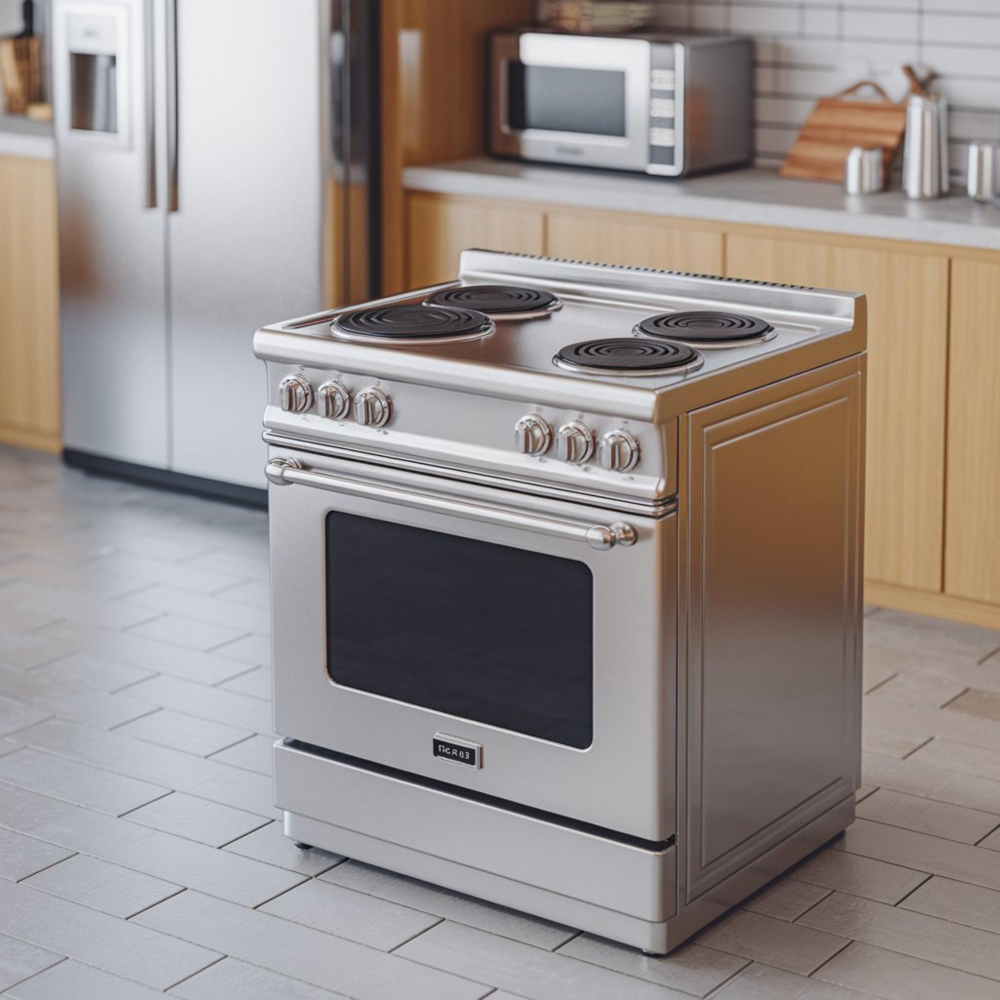
Electric ranges are more affordable and easier to install since they don’t require a gas line, just a dedicated 240V outlet. Radiant smooth-top models heat more evenly than older coil models and are easier to wipe clean.
Pros
Lower upfront cost than gas or induction in most cases
No gas line needed simpler installation
Smooth-top models are easy to clean
Consistent, even heat for baking-heavy households
Cons
Slower to heat up and cool down than gas or induction
Less precise temperature control for fast adjustments
Requires a dedicated 240V circuit if your kitchen only has a 120V gas-stove setup, electrical upgrade costs (often $800–$1,500 in older homes) should factor into your decision
Smooth-tops can scratch or crack from heavy cookware
No cooking during a power outage
Common Issues We See
Burner elements that heat unevenly or stop working entirely are the most common issue on coil models, while smooth-top ranges more often come in for a cracked surface or a faulty temperature sensor beneath the glass. If you’re switching from gas, budget for that electrical upgrade separately from the appliance cost itself it’s often the bigger expense of the two.
Induction Ranges
How They Perform
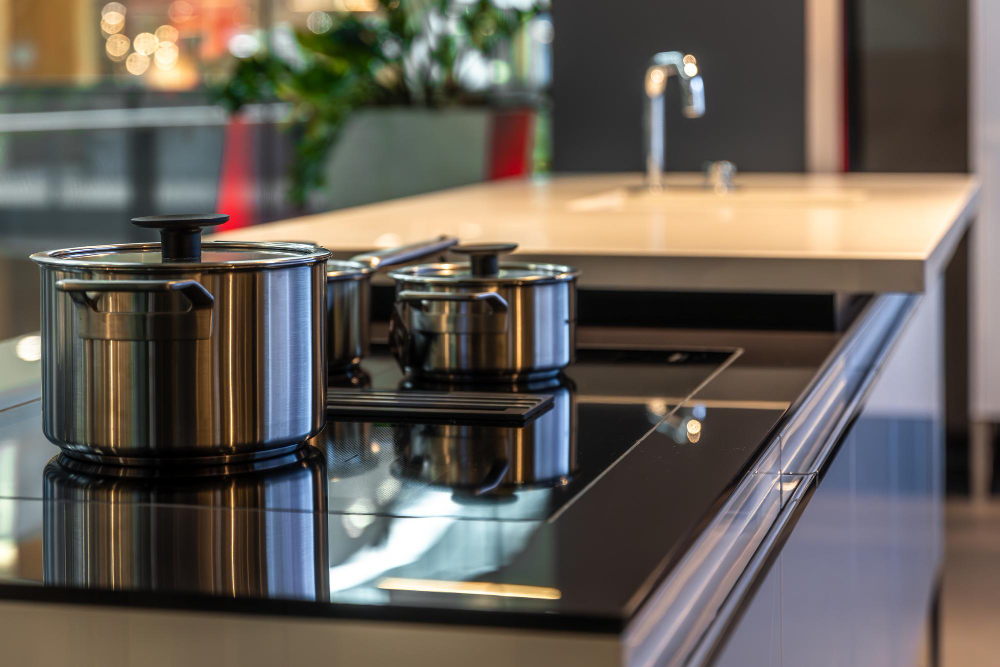
Induction ranges use electromagnetic energy to heat the cookware directly rather than the surface itself, which makes them the fastest-heating and most energy-efficient option often boiling water in half the time of gas or electric.
Pros
Fastest heat-up time of the three
Most energy-efficient option
Cool-to-the-touch surface reduces burn risk a strong pick for households with kids
Precise, responsive temperature control similar to gas
Cons
Highest upfront cost
Requires magnetic (ferrous) cookware cast iron and some stainless steel work, aluminum and glass typically don’t
Repairs tend to involve the control board or induction coil, which are pricier parts than a gas igniter or electric element
Some users report a faint humming sound during operation
Common Issues We See
Because induction ranges are essentially computers with a cooktop, the issues we see most are software/control board related an error code, unresponsive touch controls, or a specific zone that stops recognizing cookware.
Side-by-Side Comparison
Feature | Gas | Electric | Induction |
|---|---|---|---|
Heat-up speed | Fast | Slow | Fastest |
Temperature control | Precise | Moderate | Precise |
Upfront cost | Moderate | Lowest | Highest |
Installation requirement | Existing gas line (120V for igniter/electronics) | Dedicated 240V circuit | Dedicated 240V circuit |
Cookware compatibility | Any | Any | Magnetic only |
Works in power outage | Yes (manual ignition) | No | No |
Cleaning ease | Moderate | Easy (smooth-top) | Easiest |
Typical repair complexity | Low–Moderate | Low | Moderate–High |
Which One Should You Choose?
Choose gas if you cook frequently, want instant visual heat control, and already have a gas line installed.
Choose electric if you want the lowest upfront cost, primarily bake, or don’t have gas service to your kitchen.
Choose induction if energy efficiency and safety are top priorities, you’re willing to invest in compatible cookware, and you want the fastest cooking performance.
Maintenance and Repair Considerations
Whichever type you choose, a bit of routine care goes a long way:
Gas: Keep burner ports clear of debris and check igniter function periodically.
Electric: Avoid dragging heavy cookware across smooth-tops, and check coil elements for visible damage.
Induction: Keep the glass surface free of scratches from rough-bottomed cookware and avoid sliding pans across it.
If you ever run into performance issues uneven heating, a burner or element that won’t respond, or error codes on an induction model our oven and range repair technicians service all three types and can typically diagnose the issue same-day.
Frequently Asked Questions
1. Is induction cooking actually faster than gas?
2. Can I convert my kitchen from electric to gas, or vice versa?
3. Do induction ranges require special cookware?
4. Which type is cheapest to repair?
5. Which range type lasts the longest?
Need Help Choosing or Repairing Your Range?
Whether you’re deciding between gas, electric, and induction, or your current range needs a repair rather than a replacement, A Absolute Appliance Repair Inc. has serviced all three types across Lake and McHenry Counties for over 17 years, including Mundelein, Libertyville, Lake Zurich, Gurnee, Crystal Lake, McHenry, Island Lake, and Lindenhurst. Learn more about our team, or read what local homeowners say about their repair experience with us.
Call 847-949-4011 to schedule a diagnosis or ask which range type fits your kitchen, or contact us online to book a same-day appointment.